What is OCPP?
The Open Charge Point Protocol (OCPP) is an open-source application-layer communication standard that defines how EV charge points (physical charging stations) communicate with a central Charge Management System (CMS) — also called a backend or CSMS (Charging Station Management System).
Developed and maintained by the Open Charge Alliance (OCA), OCPP was designed to break vendor lock-in. Before its adoption, a charge point could only be managed by its own manufacturer's proprietary backend. With OCPP, any compliant charger can communicate with any compliant CMS — enabling open, competitive, and scalable EV charging ecosystems.
In simple terms: OCPP is to EV charging what HTTP is to the web — a universal language that lets hardware and software from different vendors work together seamlessly.
Driving Success Through Innovation- OCPP Compliant EV Chargers
Tested & Trusted by the best →
A1
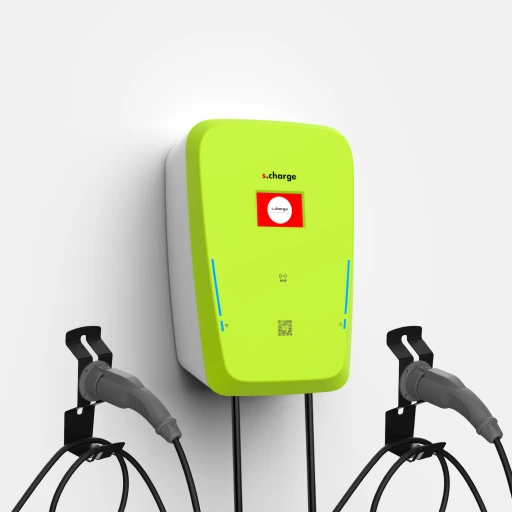
S1
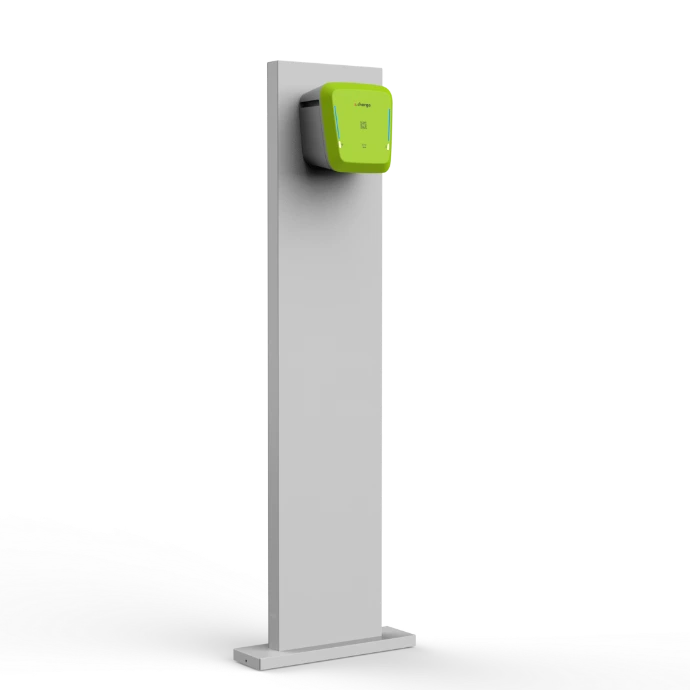
D1
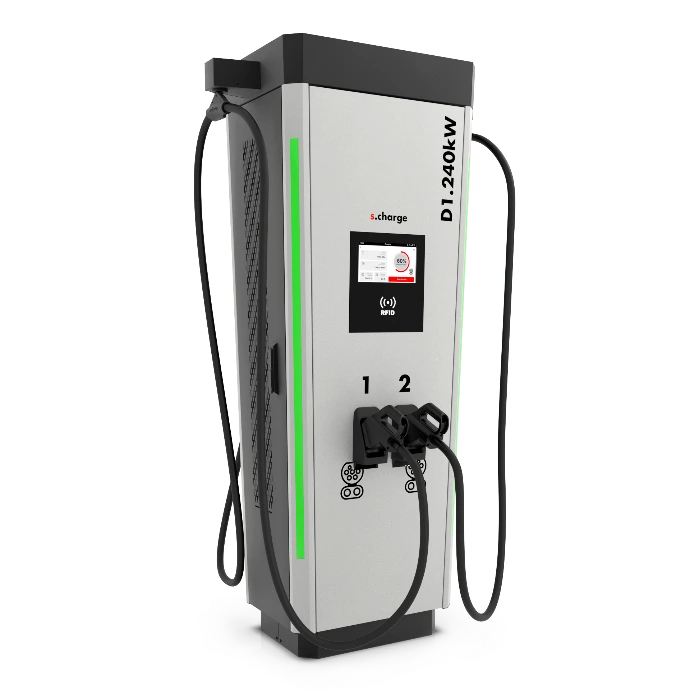
At SCharge, we a full stack development team. We take up projects for custom OCPP developments via data transfer and other commands in our time tested hardware.
How OCPP works: the architecture
OCPP follows a client-server architecture over WebSocket. The charge point acts as the WebSocket client; the CMS acts as the server. The connection is persistent, allowing real-time bidirectional messaging.
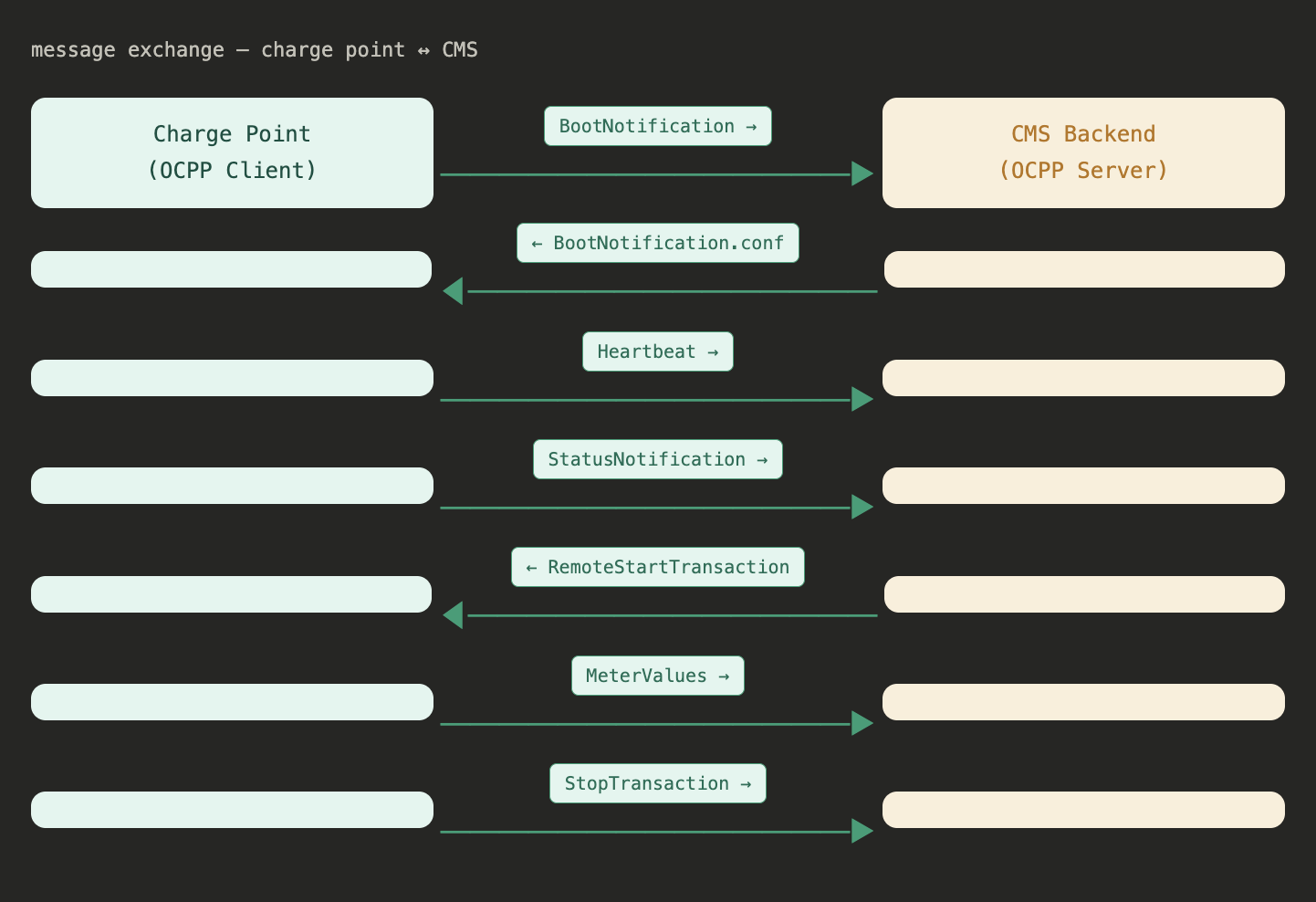
The three OCPP message types
Request
Sent by either side to initiate an action. Contains a unique MessageId, action name, and payload. e.g., BootNotification, RemoteStartTransaction.3
Response
Reply to a CALL, referencing the same MessageId. Contains the result payload confirming the action was received and processed.
Error
Returned when processing fails. Includes an error code and description. e.g., NotImplemented, FormationViolation.
Sample OCPP JSON message
// CALL — BootNotification from charge point
[2, "19223201", "BootNotification", {
  "chargePointVendor": "SCharge",
  "chargePointModel": "S1-7.4kW",
  "chargePointSerialNumber": "SC2024A1001",
  "firmwareVersion": "2.3.1"
}]

// CALLRESULT — CMS accepts the boot
[3, "19223201", {
  "currentTime": "2026-04-16T08:00:00Z",
  "interval": 300,
  "status": "Accepted"
}]
OCPP versions: 1.6 vs 2.0.1
Two versions are widely deployed today. Choosing the right version depends on your use case, network requirements, and long-term roadmap.
| Feature | OCPP 1.6 | OCPP 2.0.1 |
| Transport | WebSocket (JSON) or SOAP | WebSocket (JSON only) |
| Security | Basic TLS, no built-in auth | Security extensions built-in, certificate management |
| Smart charging | ChargingProfile (basic) | Advanced: ISO 15118, V2G, bidirectional support |
| Device management | Limited configuration | Full device model, variable monitoring |
| Metering | MeterValues (basic) | Calibration Law support, signed meter values |
| Adoption | Widely deployed | Growing — recommended for new deployments |
| SCharge support | Full support | In certification |
All SCharge chargers — from our 3.3 kW AC wall boxes to the 800 kW DC fast chargers — are OCPP 1.6J compliant, with OCPP 2.0.1 support rolling out across the product range through 2026.
Core OCPP actions: what they enable
OCPP defines a rich set of actions covering the complete lifecycle of a charging session — from discovery and authentication to billing and diagnostics.
Charge point initiated
BootNotification
Heartbeat
StatusNotification
Authorize
StartTransaction
StopTransaction
MeterValues
FirmwareStatusNotification
DiagnosticsStatusNotification
CMS initiated (remote commands)
RemoteStartTransaction
RemoteStopTransaction
ChangeConfiguration
GetConfiguration
SetChargingProfile
ClearChargingProfile
UpdateFirmware
Reset
UnlockConnector
Smart charging and load management via OCPP
One of OCPP's most powerful features is smart charging — the ability for the CMS to dynamically control the power output of each charger in real time. This is critical for large-scale deployments like bus depots, fleet yards, apartment complexes, and commercial buildings.
Charging profiles
A ChargingProfile defines a time-based or transaction-based schedule for the charger's output. Profiles can be stacked in three levels:
ChargePointMaxProfile
TxDefaultProfile
TxProfile (per session)
Using SetChargingProfile, a CMS can instruct a 22 kW charger to deliver only 7 kW during peak grid hours, ramp up to full power at night, or respond dynamically to building load feedback — enabling full Energy Management System (EMS) integration.
This is the foundation of SCharge's shared-infrastructure architecture — where OCPP-level smart charging coordinates multiple fast chargers against a common BESS and solar generation source to maximize energy efficiency and minimise grid demand charges.
Why open standards matter for India's EV infrastructure
India's EV charging ecosystem is still maturing. With dozens of charger OEMs, multiple CPOs (Charge Point Operators), and state-level infrastructure programs, the risk of fragmentation is high. OCPP adoption is the single most important step towards a truly interoperable national EV charging network.
Key benefits for Indian stakeholders:
For CPOs and fleet operators
Switch hardware vendors without migrating your CMS. No vendor lock-in. Competitive hardware procurement. One dashboard for your entire estate.
For software developers
Build once against the OCPP spec. Your CMS works with any compliant charger in the market — SCharge, third-party, or white-label OEM hardware.
For government and utilities
Mandate OCPP compliance in tenders (BEE, FAME, State EV policies) to ensure public charging infrastructure remains interoperable and auditable.

Contact Us for Free SCharge OCPP Utility ·
Build your CMS faster with SCharge's free OCPP developer tools
SCharge is committed to growing the open EV charging ecosystem in India. That's why we offer a free OCPP developer utility to any CMS software team building on the OCPP standard — no purchase required.
OCPP 1.6J simulator
A fully functional software OCPP complaint CMS simulator. Test every OCPP action — BootNotification, StartTransaction, MeterValues, RemoteStart — against your CMS or Charger without a dedicated server.
Message inspector & logger
Real-time WebSocket message capture and formatted JSON display for every Request or Response. Dramatically faster debugging and integration testing.
SmartCharging profile tester
Construct and send ChargingProfile objects (TxProfile, TxDefaultProfile, ChargePointMaxProfile) and observe the charger's power response in real time.
Testing certification sandbox
Access to a cloud-hosted SCharge CMS sandbox endpoint. Connect your CMS and verify OCPP compliance against real SCharge charger firmware behaviour before going live.
Whether you're a startup building a new CPO platform, an established software company adding EV charging to your energy management suite, or an in-house team at a fleet operator — SCharge's developer tools help you ship faster and with confidence.